


Introduction
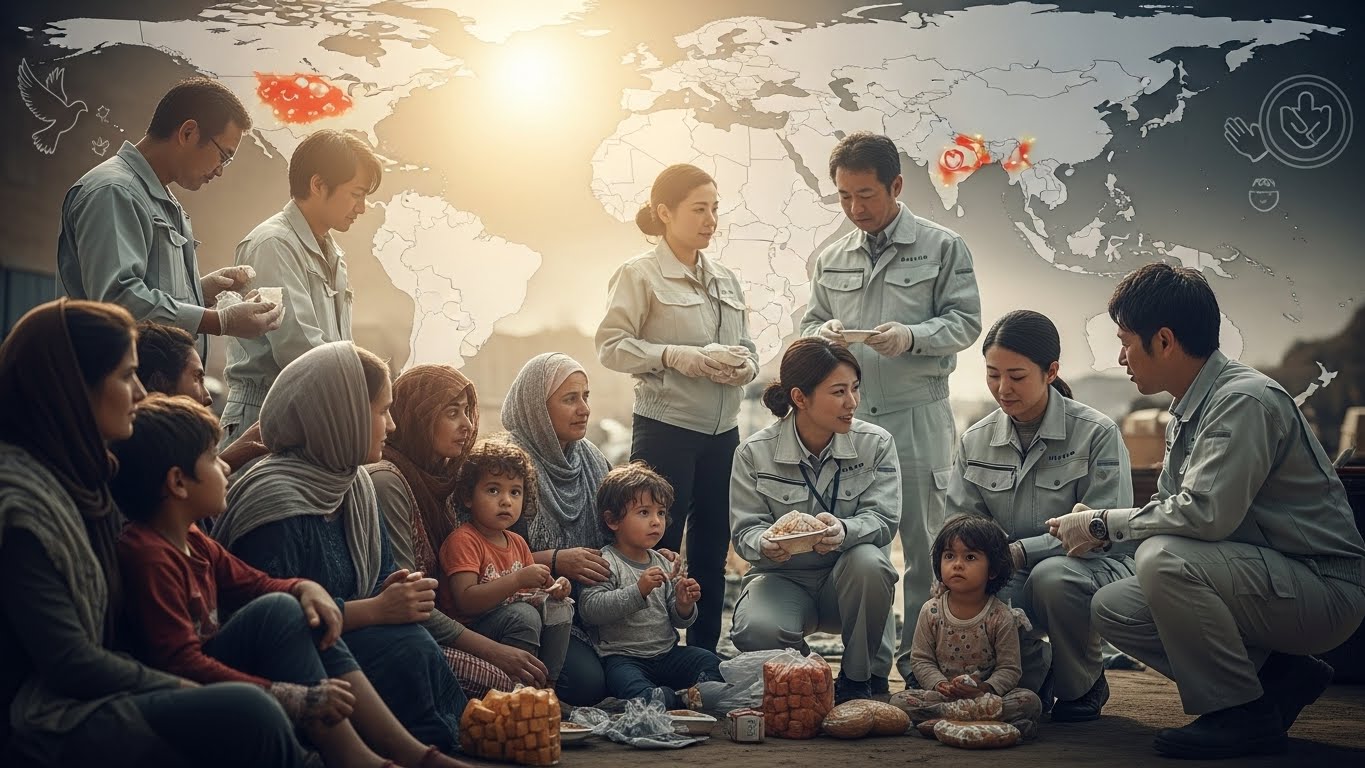
The world today is witnessing one of the most challenging humanitarian moments in history. Refugee numbers are rising, conflicts continue to displace families, and economic pressure is forcing many to leave their homes in search of safety. In such a difficult time, partnerships between local and global organizations have become a powerful tool for real change. No single organization can solve the refugee crisis alone, but when groups work together, they create stronger solutions.
For refugee relief, cooperation is not only helpful, it is essential. When global agencies join hands with community based groups, grassroot volunteers, and organizations like JP Foundation, the result is deeper impact, faster support, and long term development for displaced communities. This blog explores why these partnerships matter and how they are shaping the future of humanitarian work.
The Importance of Collaboration in Refugee Relief
A Crisis Too Large for One Organization
Millions of people around the world are affected by conflict, natural disasters, political instability, and poverty. Every day, families are forced to leave behind their homes, belongings, and loved ones. The massive scale of displacement makes it impossible for one organization to provide everything refugees need. Food, shelter, education, medical help, mental health support, legal assistance, resettlement guidance, and emotional care all require different kinds of expertise.
This is where partnerships become powerful. One group may specialize in food assistance, another in medical care, and another in building community support systems. By joining strengths together, refugees get complete support instead of limited or temporary help.
Faster Response During Emergencies
In times of crisis, speed can save lives. Partnerships allow NGOs to combine their networks, share information, and respond faster. Local organizations often know the situation better because they are already present in the affected areas. They understand the culture, language, needs, and challenges of the community. When a global agency collaborates with them, emergency support reaches people quickly and efficiently.
For example, when food shortages happen, a global agency may have the supplies, while a local group may have the volunteers and access to deliver them. Together, they create a rapid relief system.
Sharing Knowledge and Expertise
Partnerships make learning easy. Organizations exchange ideas, learn from each other’s experiences, and adopt better methods for refugee support. Global NGOs often bring technology, advanced systems, research, and funding. Local NGOs bring cultural understanding, field experience, and personalized solutions. This sharing of knowledge creates smarter strategies and long lasting humanitarian programs.
It also prevents mistakes. When groups talk and learn from one another, they avoid repeating errors and create improved support systems.
Examples of Successful Local and Global Partnerships
The Role of Major Global Agencies
Global humanitarian organizations play a major role in refugee relief. Agencies like the World Food Program, the United Nations Refugee Agency, and other international partners work across countries to support millions of refugees. These organizations help with food security, shelter, registration, and protection.
But even with their global reach, they depend heavily on community based organizations to make their projects successful. Without local partners, global plans cannot reach the most vulnerable families who need urgent support.
Grassroot Organizations Making a Difference
Local NGOs and community volunteers are often the first to reach a crisis area. They know where displaced people are hiding, which families need help, and how to communicate with communities who may be afraid or hesitant. These grassroot teams help global agencies understand local conditions and build trust among refugees.
Examples include small volunteer groups that provide basic needs, local health workers who assist with medical camps, or community leaders who guide families during resettlement. Their contribution ensures that support is not only large scale but also personal and meaningful.
Collaboration That Saves Lives
When global and local organizations work together, results become powerful. Food distribution becomes organized. Medical camps reach more people. Education programs grow. Mental health support becomes accessible. Communities feel safer and stronger.
Such partnerships are the backbone of modern humanitarian relief. They ensure that support is not only immediate but also sustainable.
How JP Foundation Uses Partnerships to Maximize Impact
Working Closely With Local Communities
JP Foundation believes that real change starts from the ground. This is why the foundation works directly with communities in countries across Asia. Local leaders, volunteers, teachers, and health workers play a key role in understanding what refugees need most.
Through these partnerships, JP Foundation is able to identify urgent challenges, design practical solutions, and deliver support that truly reaches the people it is meant for. This community connection helps the foundation stay informed, reliable, and effective.
Collaborating With Global Humanitarian Organizations
JP Foundation also cooperates with international agencies to ensure that refugees receive complete care. Whether it is through sharing resources, joint planning, or coordinated relief efforts, these collaborations help expand the foundation’s reach. Global agencies bring valuable tools, research, and large scale support, while JP Foundation brings cultural understanding, field presence, and local experience.
Together, this partnership model ensures that displaced families receive strong, balanced, and high quality humanitarian assistance.
Combining Strengths for Long Term Change
JP Foundation focuses not only on emergency relief but also on long term development. This includes education programs, skill building workshops, medical support, and resettlement assistance. Partnerships help make these programs larger and stronger.
Through cooperative efforts, JP Foundation is able to:
• Provide safe spaces and learning opportunities
• Offer medical camps and health support
• Connect families with resettlement guidance
• Empower women and children
• Deliver essential supplies during difficult times
These collaborative programs help refugees rebuild their lives with dignity, hope, and stability.
Why Partnerships Lead to Better Results
Stronger Communication and Coordination
When NGOs share information, coordination becomes smooth. Resources are used better and mistakes are reduced. This creates a clear path for refugee support and ensures that no community is left behind.
Better Use of Funding and Resources
Working together avoids duplication of work. Instead of spending money on the same projects, organizations divide responsibilities and focus on areas where they are strongest. This makes humanitarian programs more efficient and allows funds to support more people.
Building Trust With Refugee Communities
Refugees feel safer when they see organizations working together. It gives them confidence that they will receive honest, long lasting support. Partnerships create unity, and unity builds trust.
The Human Impact of Strong Partnerships
Behind every partnership, there is a human story. A child who finds a safe place to learn. A mother who receives medical care for her family. A young refugee who gains a new skill and starts rebuilding a future. These moments are the real result of cooperation.
Partnerships allow humanitarian organizations to reach places that would otherwise be forgotten. They bring hope to families who have lost everything. They create opportunities where none existed before.
An Open Invitation to Partners, Volunteers, and Donors
Join Hands With JP Foundation
Humanitarian work is most powerful when hearts and hands come together. JP Foundation welcomes individuals, organizations, and agencies who want to be part of meaningful change. Whether you are a volunteer, a donor, a partner organization, or someone who wants to support humanitarian work, your contribution can make a real difference.
Why Your Support Matters Now
More families are being displaced every day. Many do not have access to food, shelter, education, or medical care. At this moment, support is needed more than ever. By partnering with JP Foundation, you join a mission that is committed to saving lives, restoring dignity, and rebuilding futures.
Your time, skills, or resources can give a refugee child a chance to learn. They can help a family receive medical care. They can bring hope to someone who has lost everything.
Conclusion
Partnerships between local and global NGOs are shaping the future of refugee relief. They bring together knowledge, resources, and compassion to create strong support systems for displaced communities. From global agencies to small community groups, every partnership plays a vital role in providing safety, dignity, and hope to refugees.
JP Foundation remains committed to building such partnerships and continuing its mission of helping people rebuild their lives. Together, we can create a world where no one faces hardship alone. Together, we can bring hope to every corner where it is needed most.